
 |
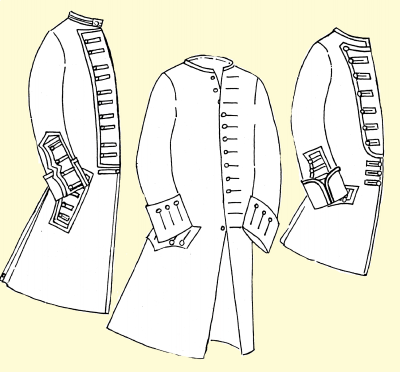
Coats of the 1750’s were boxier in shape than the
coats worn later in the 18th century. This coat has very full skirts, deep cuffs, a
straighter front line, and roomier sleeves than coats of the 1770’s and 1780’s.
The body of this coat fits close to the person and the armholes are set high and back to
reinforce a correct, erect 18th century posture. |
| Enclosed you will find a plain cuff, a functional mariner’s cuff, and a curved cuff. All the pieces were designed to fit together, so you may mix and match. This coat is designed to fit comfortably over shirt, breeches and waistcoat. If you plan to wear your coat over a sleeved waistcoat, please fit it accordingly. Depending on the weight of the fabric you have used for your waistcoat, it may be necessary to expand the sleeves on the coat. This original coat pattern is fashioned after an extant example of an officer’s regimental worn by Capt. Thomas Plumbe, Royal Lancashire Militia c. 1760. Certain elements have been taken from an extant 1750’s coat of cut and uncut velvet in the collection of the Victoria and Albert Museum in London. Close attention has also been paid to the works of Swiss artist, David Morier, who painted a grenadier of each regiment according to the 1751 Warrant for the Duke of Cumberland, and to the simple drawings, later engraved, by Lt. William Baillie of the 13th Foot, 1753. I note with interest that one of his drawings of Cpl. Jones clearly shows fall front breeches. |
|
Back to Gentlemen's Patterns
 Home Home |
The
Recollections of J. P. Ryan |